
3D models in biological sciences
_______________________________________________________________________________________________________________________________________________
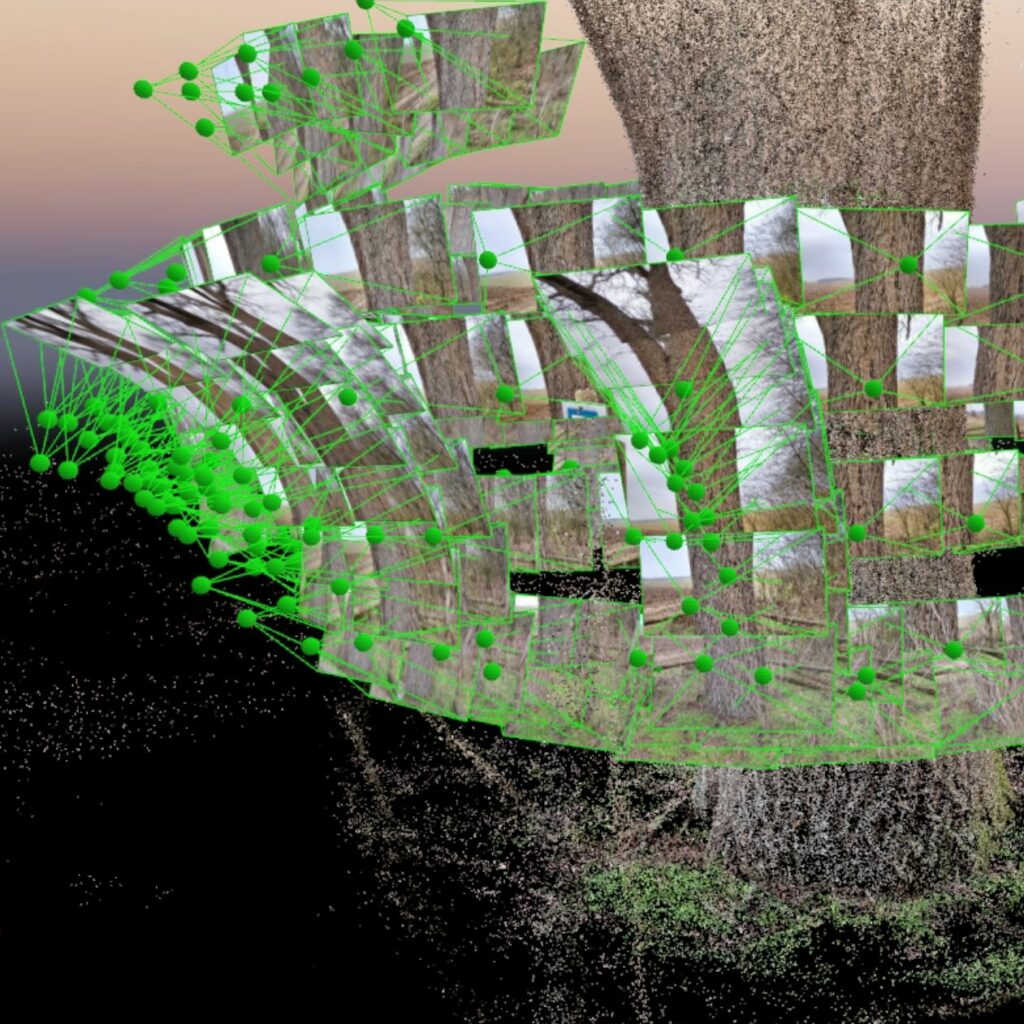
Photogrammetry is the science and technology of obtaining reliable information about physical objects and the environment through the process of recording, measuring and interpreting photographic images and patterns of electromagnetic radiant imagery and other phenomena. It is a definition that we transferred from ASPRS online Archived. According to American Society for Photogrammetry and Remote Sensing (ASPRS) as “the art, science, and technology of obtaining reliable information about physical objects and the environment, through processes of recording, measuring, and interpreting imagery and digital representations of energy patterns derived from noncontact sensor systems” (Colwell, 1997:3). Close-range photogrammetry (which we also use) refers to the collection of photography from a lesser distance than traditional aerial (or orbital) photogrammetry. Photogrammetry is used in fields such as topographic mapping, architecture, engineering, manufacturing, quality control, police investigation, cultural heritage, or geology. (https://en.wikipedia.org/wiki/Photogrammetry).
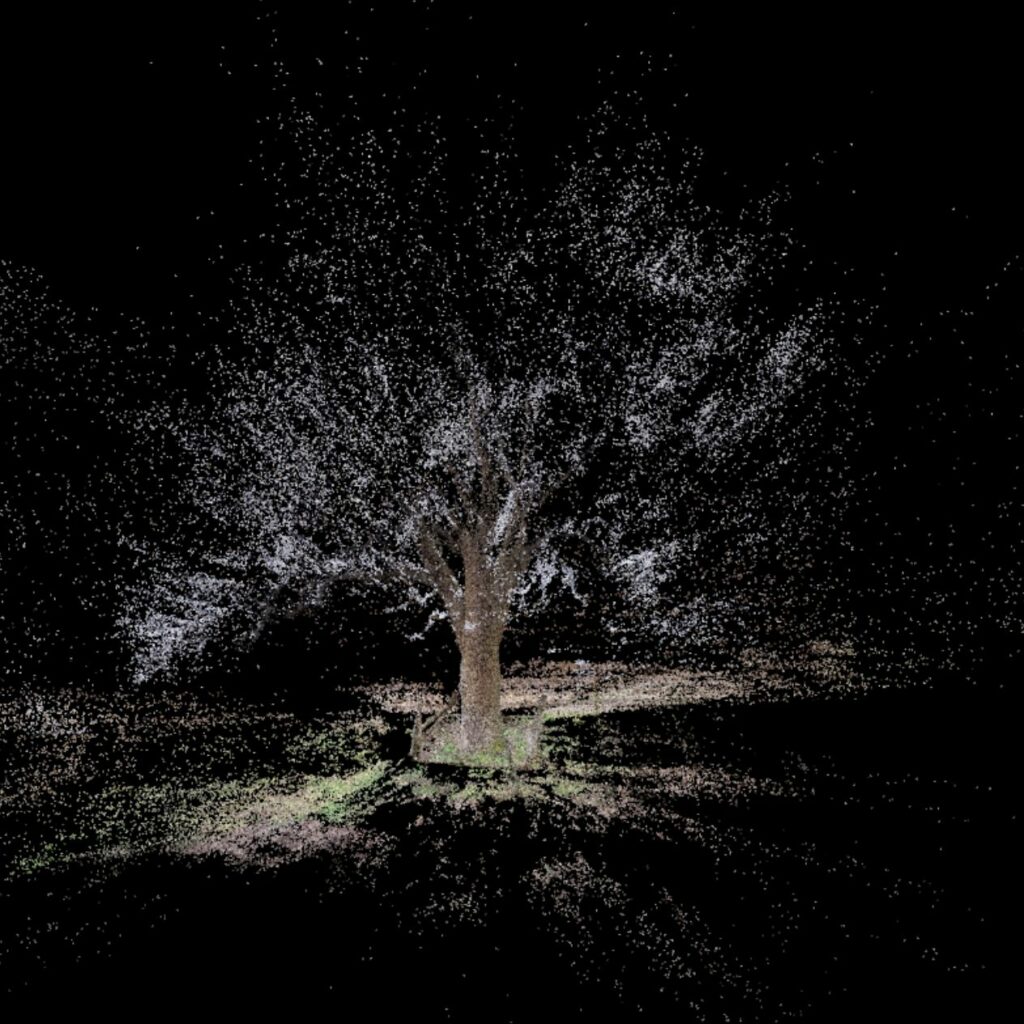
We use photogrammetry to obtain such 3D models, which are applicable in various fields of biology, education, forestry and related fields.
_______________________________________________________________________________________________________________________________________________
Example 1: 3D model of the snail shell:
An example of a 3D model of a real snail shell created by the photogrammetric method in real colors and structure without further processing.
3D model:
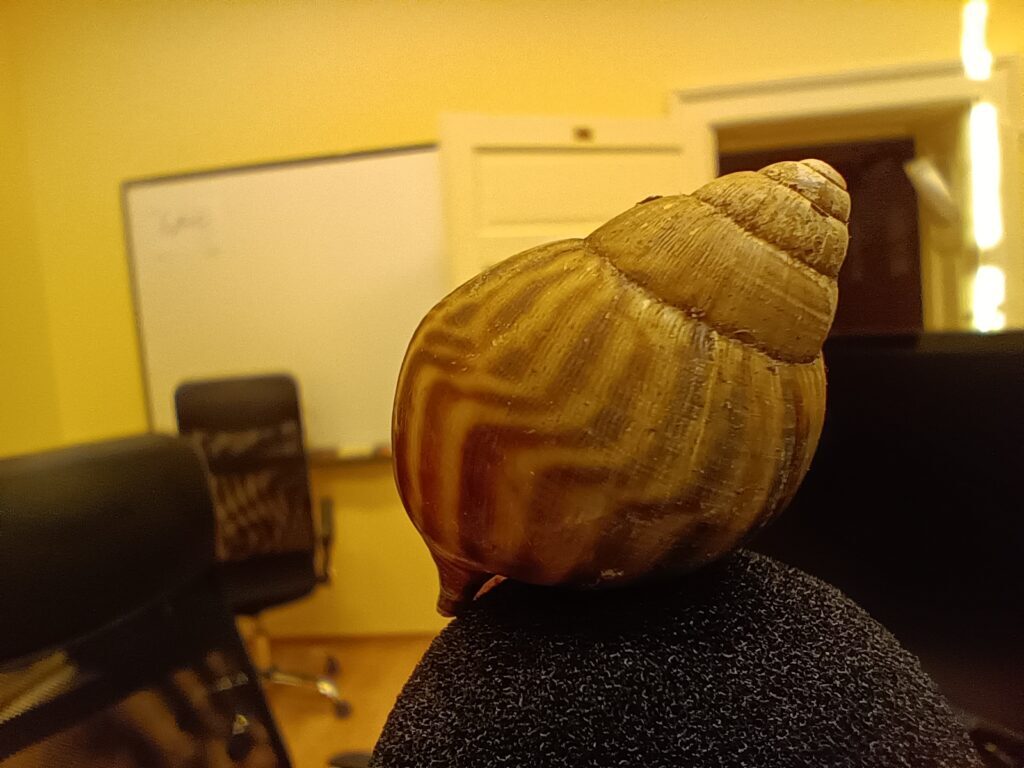
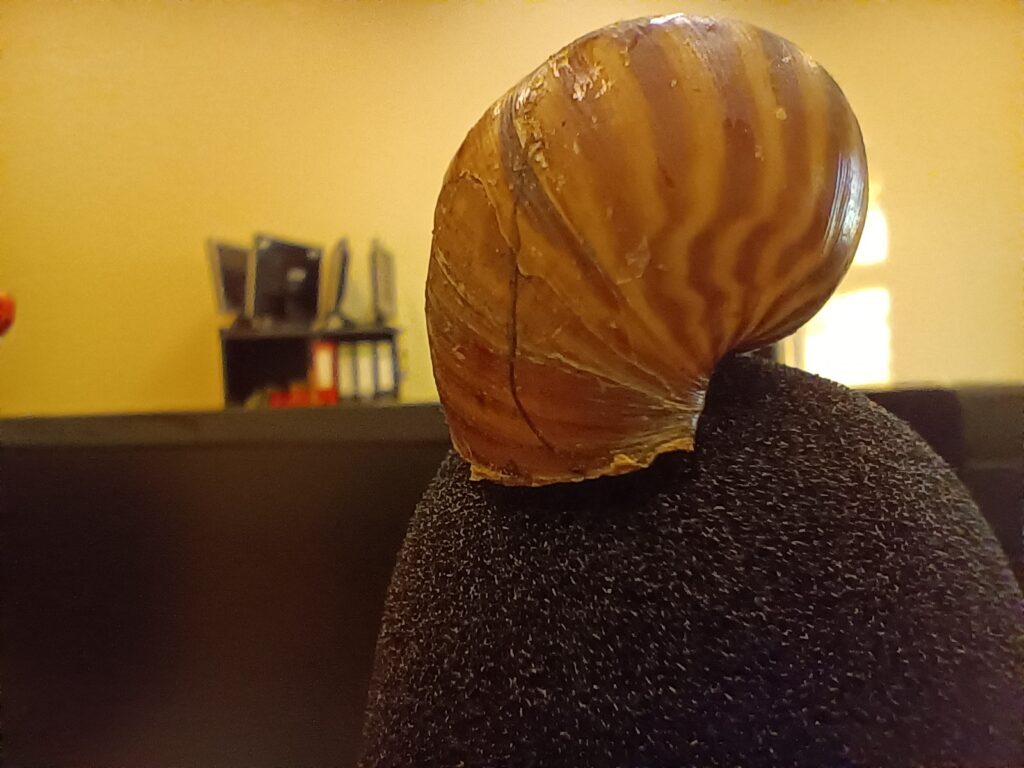
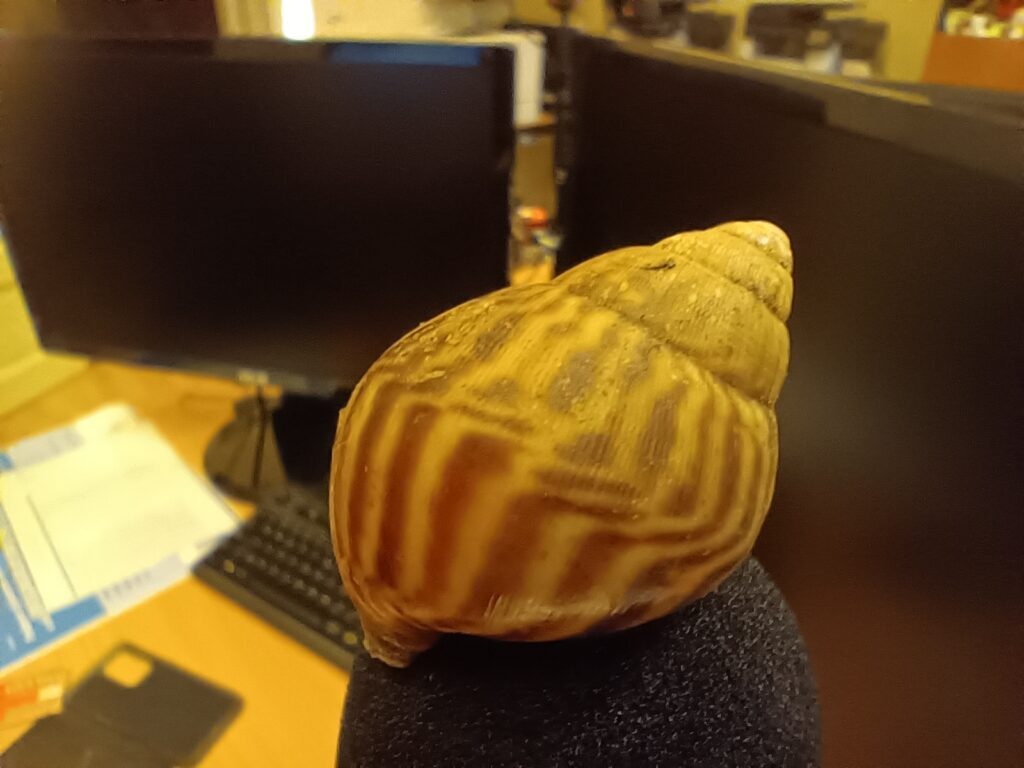
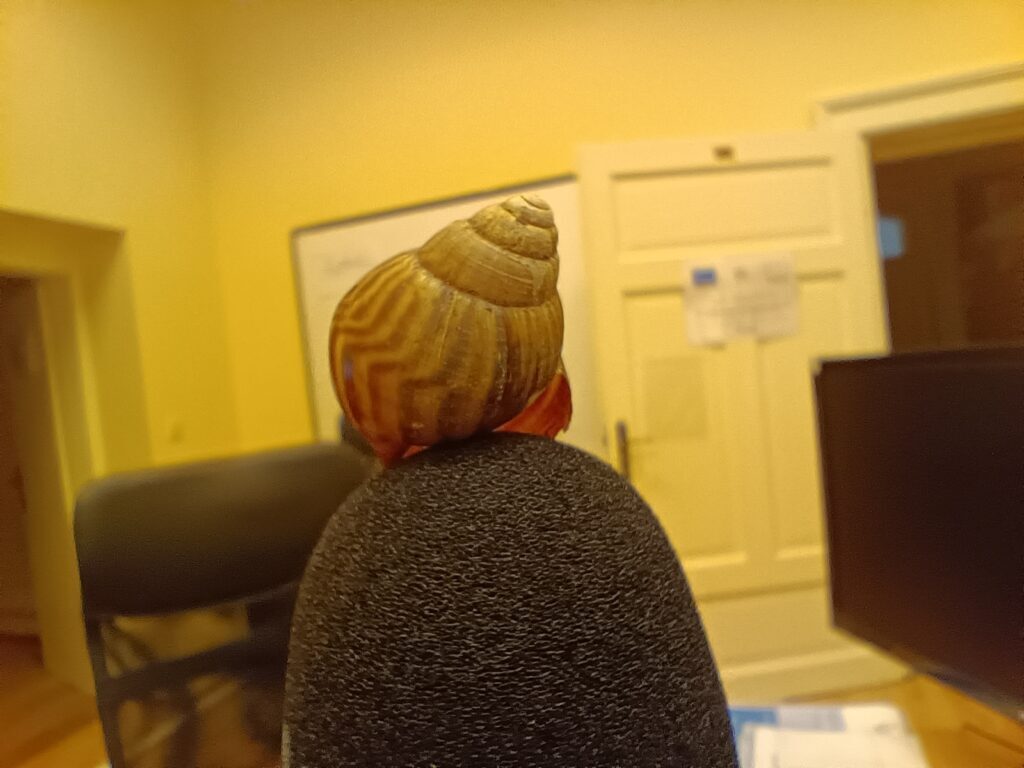
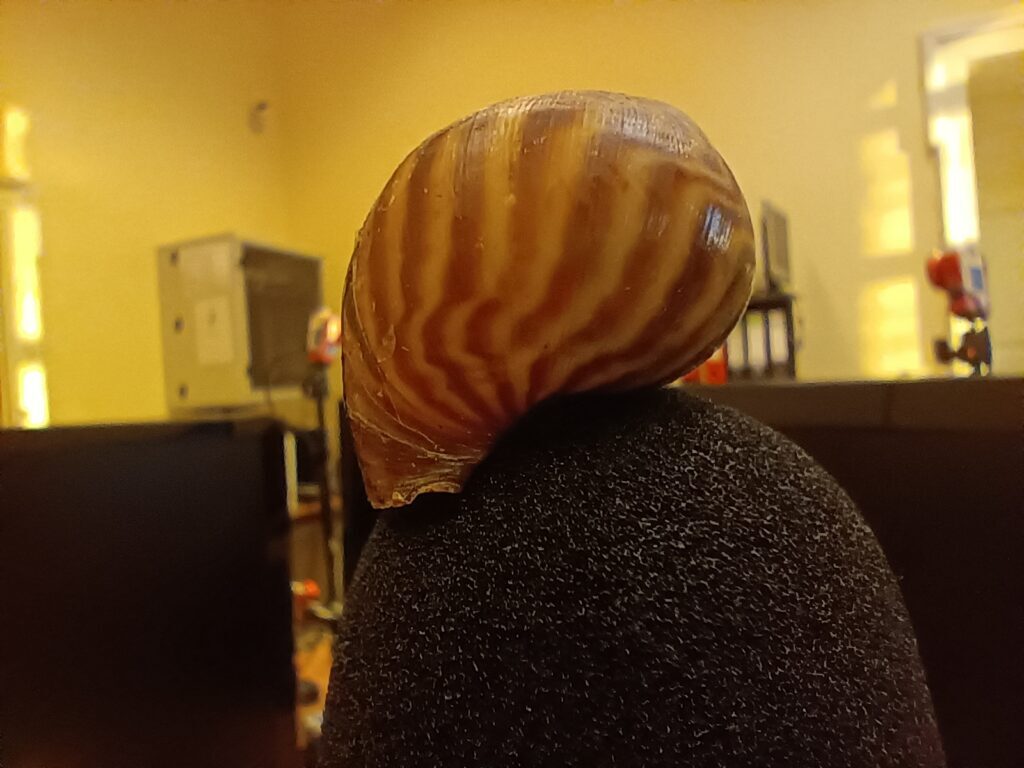
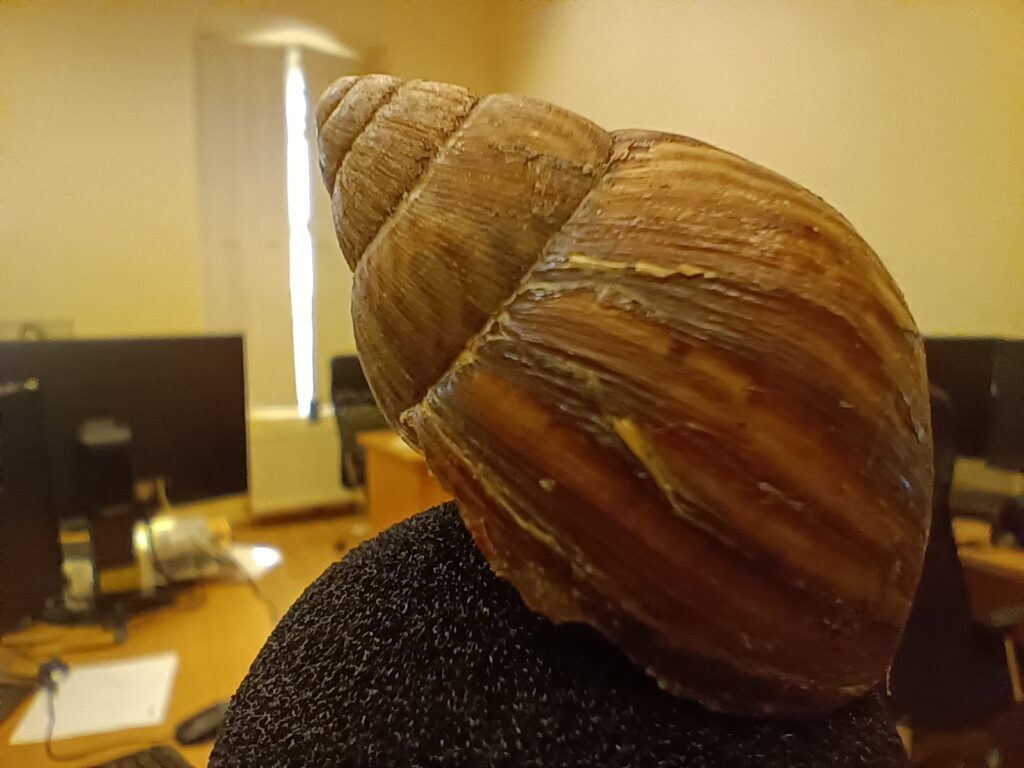
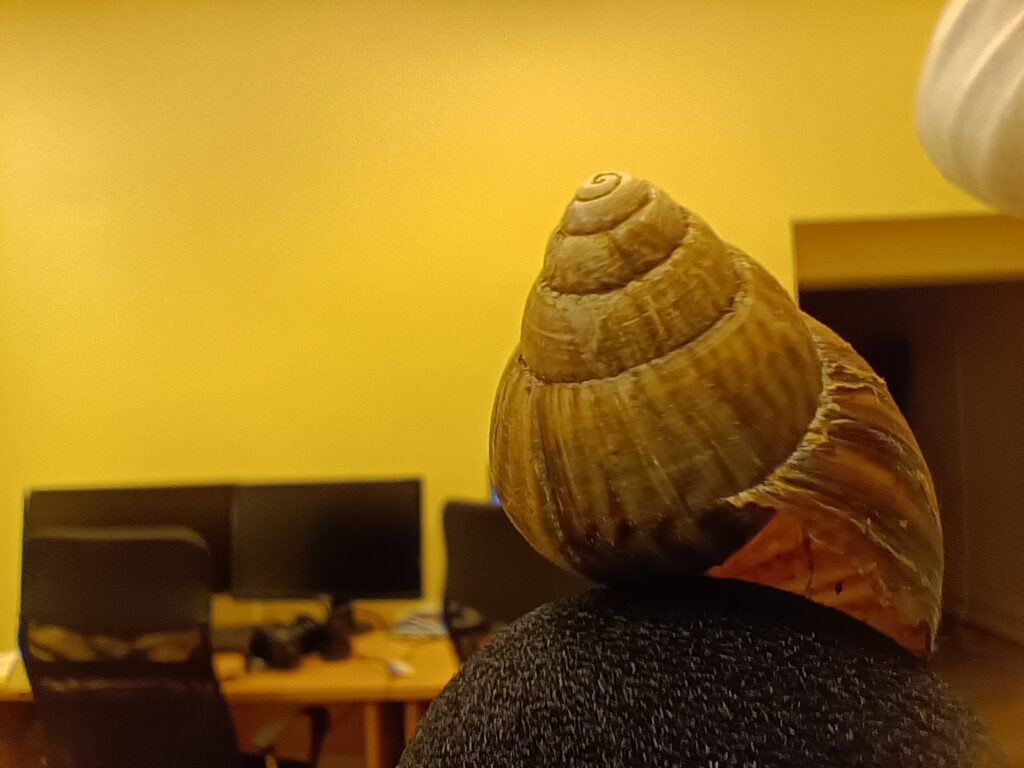
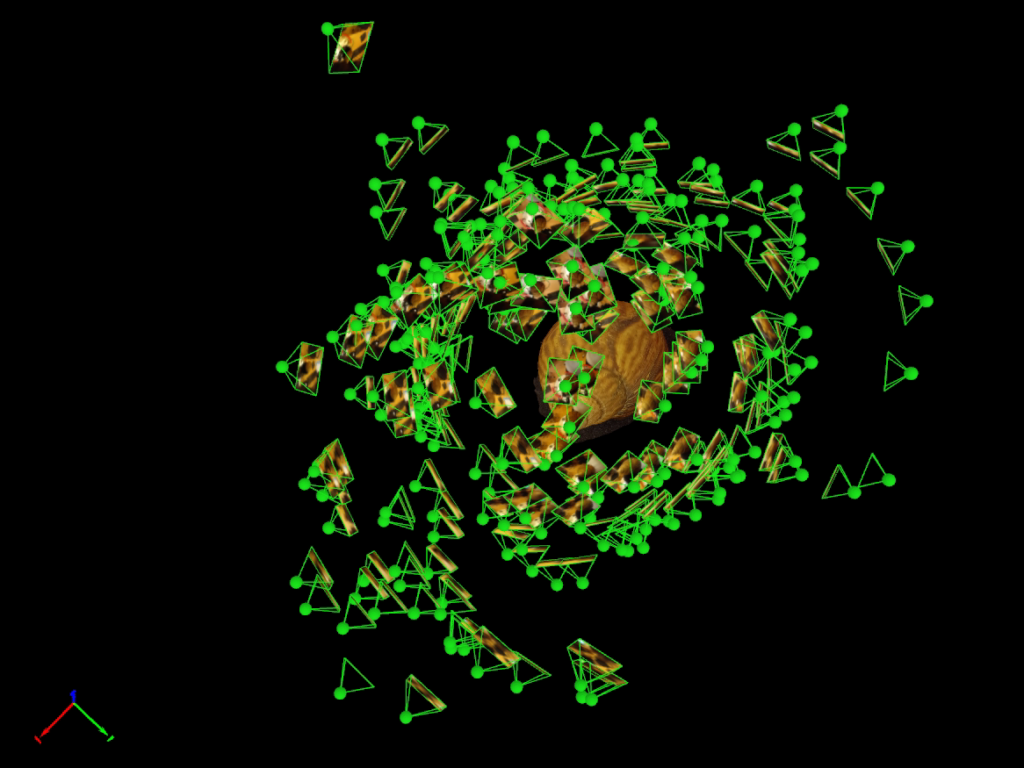
Sample of used photos – 8 pieces out of a total of 234:
_______________________________________________________________________________________________________________________________________________
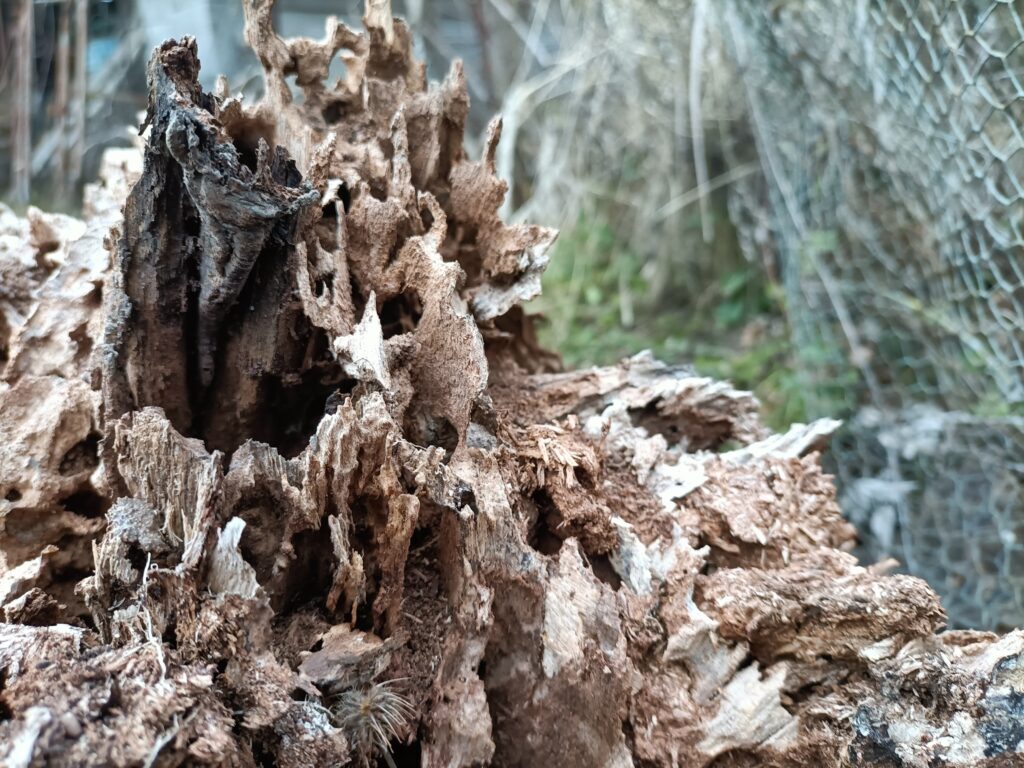
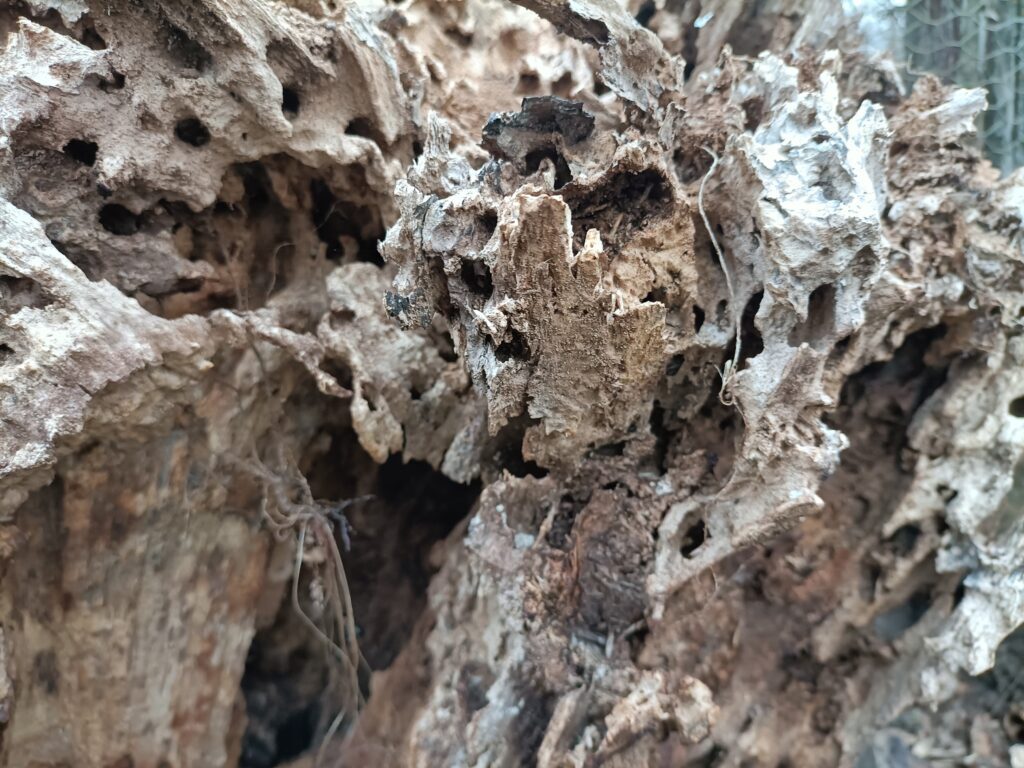
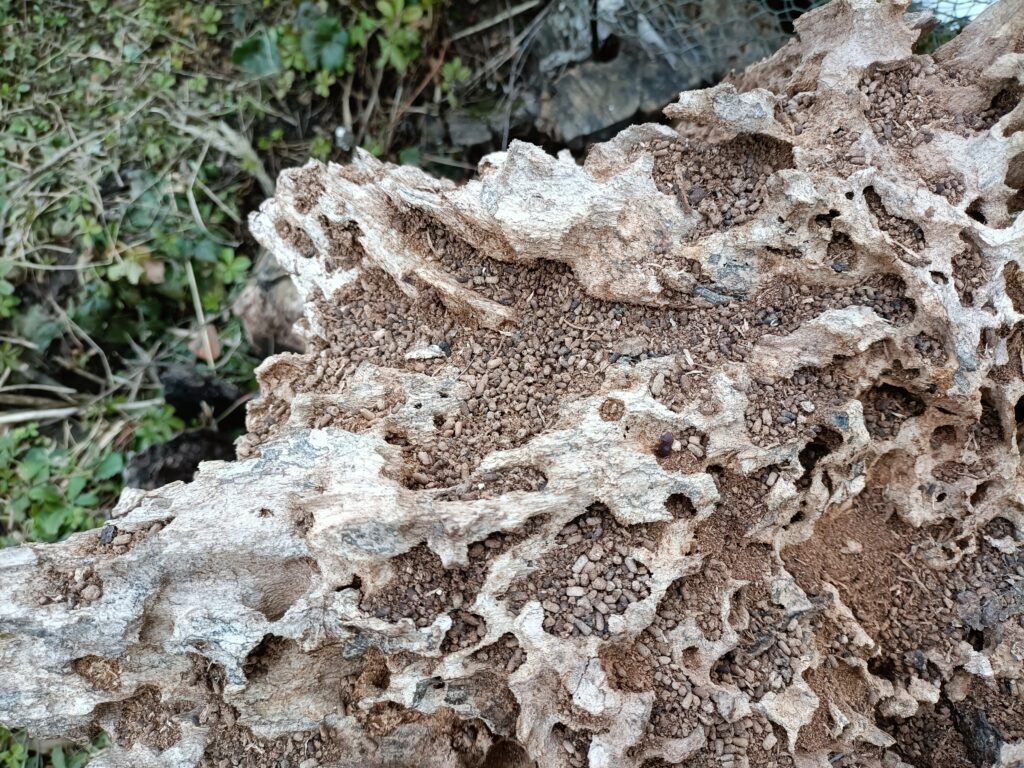
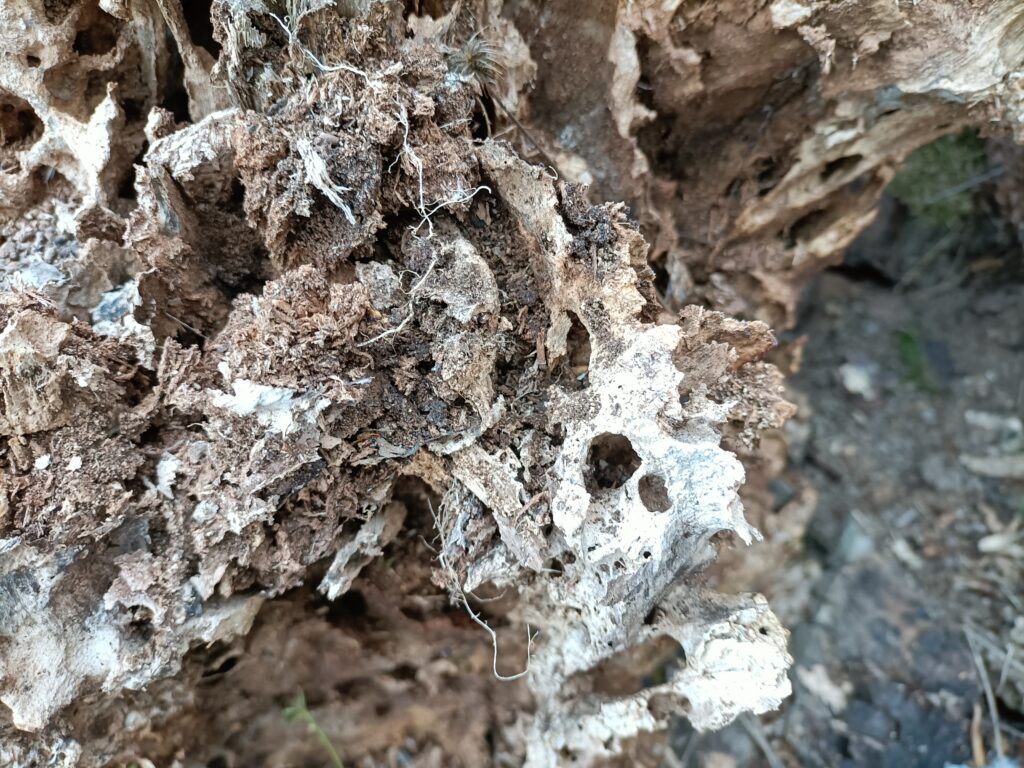
_______________________________________________________________________________________________________________________________________________
Non-abrasive measurement using Pix4Dmapper pro software:
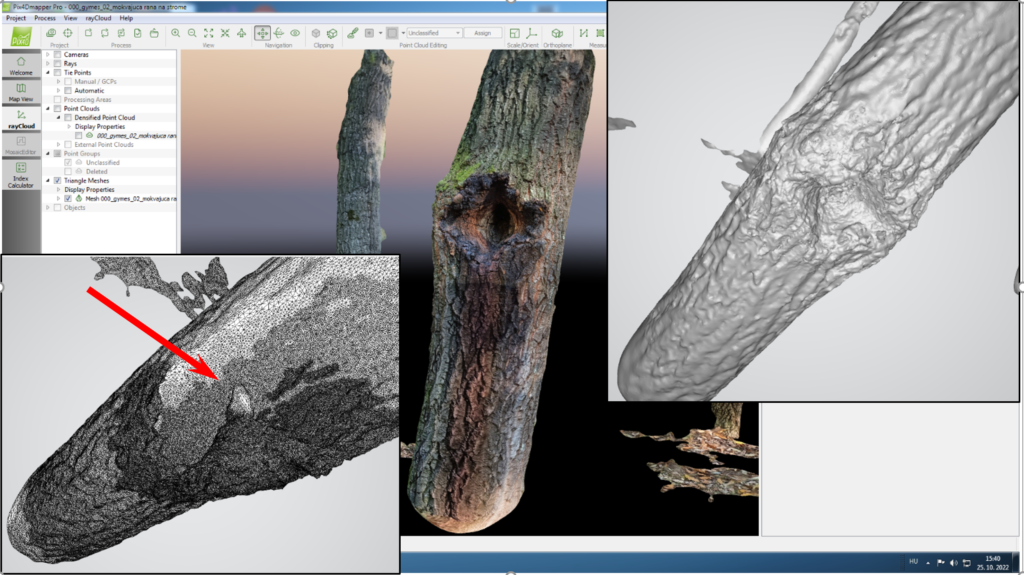
• Pix4Dmapper is an image processing software that is based on automatically finding thousands of common points between images. Each characteristic point found in an image is called a keypoint. When 2 keypoints on 2 different images are found to be the same, they are matched keypoints. Each group of correctly matched keypoints will generate one 3D point. The more keypoints there are, the more accurately 3D points can be computed.
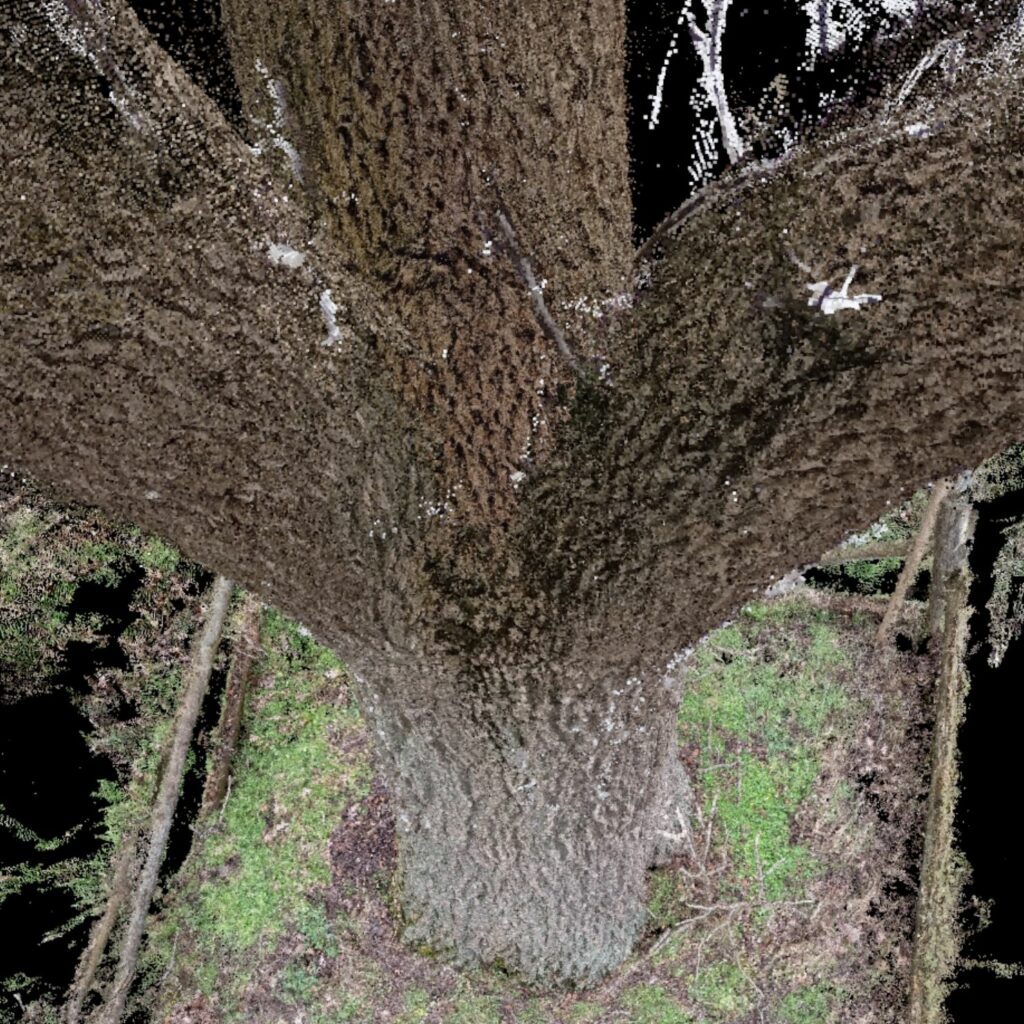
• Based on the obtained 3D points, it is also possible to perform precise measurements, such as length, depth, area of the wound, damaged volume of wood, etc. non-abrasive, i.e. without interfering with the structure and life of the tree.
• The shape of the trunk, a peculiarity in growth or distinctive growth structures (wounds, consequences of disease or other growth details) can become accessible to a wide group of people in the form of a 3D model for laymen and scientists.
________________________________________________________________________________________________________________
Our 3D models:
For a selection of tree part models, please click here:
A sample of some 3D models – Structures on trees
For a selection models of parts of tree trunks, please click here:
A sample of some 3D models – Tree trunks
From the works of biology teaching students:
From the works of biology teachers:
_______________________________________________________________________________________________________________________________________________
The 3D models presented here were created in the premises and with the software and hardware support of the Intelligent Robotics Center of the J. Selye University in Komárno.
The Intelligent Robotics Center was established in 2015 with the help of OPVaV-2015/1.1/03-SORO EU project „Modernization of research and development infrastructure in nanotechnology and intelligent space at J. Selye University”. The Intelligent Robotics Centre supporting scientific research is a part of the Department of Informatics and located on the first floor of the Officer’s Pavilion in Komárno.
_______________________________________________________________________________________________________________________________________________
Research team:
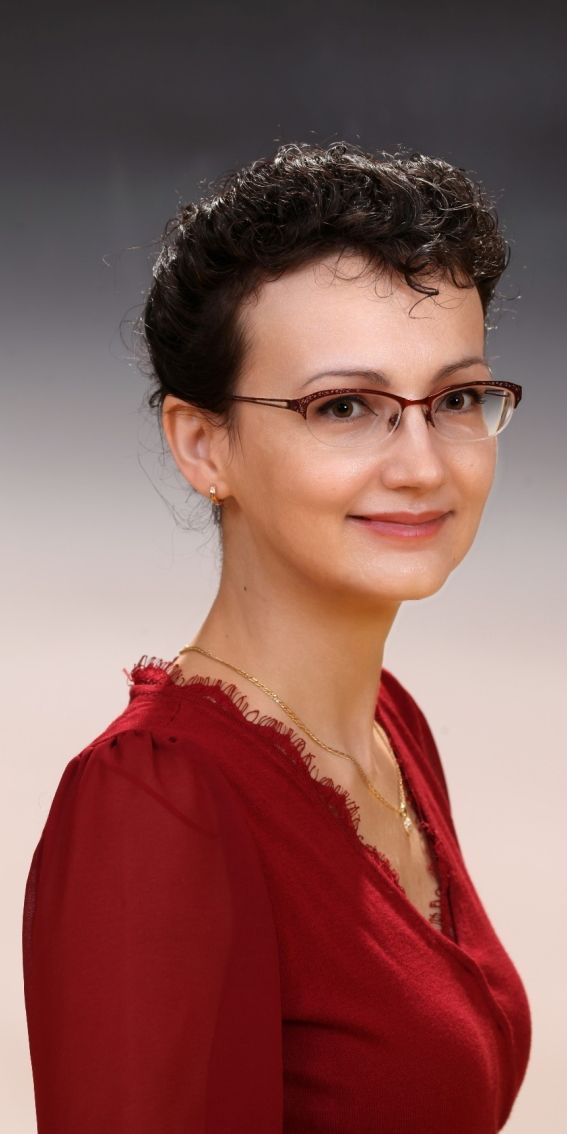
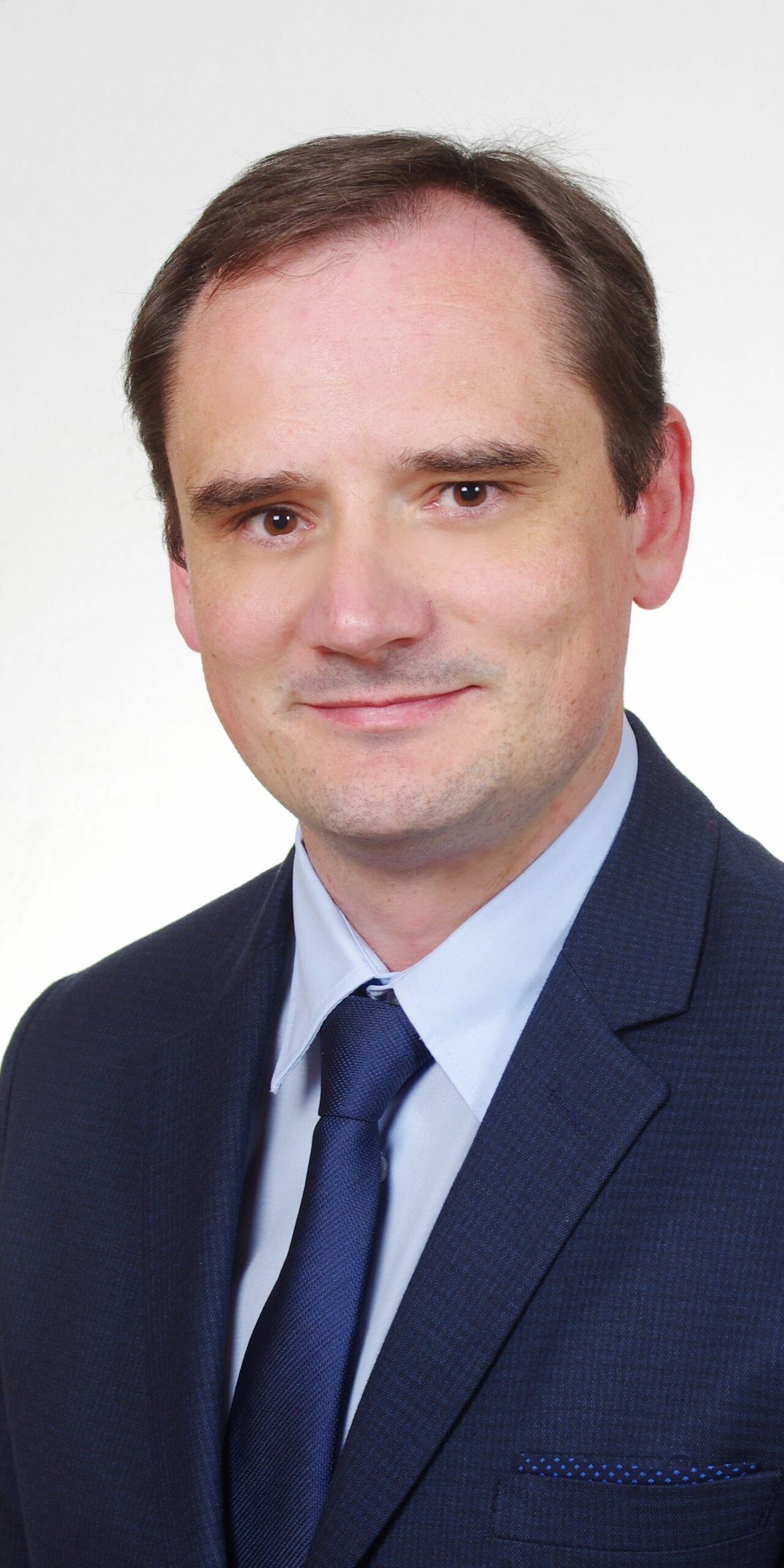
Research team from J. Selye University

Researcher and collaborator from Department of Pharmacy and Social Pharmacy; University of Veterinary Medicine and Pharmacy in Košice: Štempeľová Iveta, PharmDr.
_______________________________________________________________________________________________________________________________________________